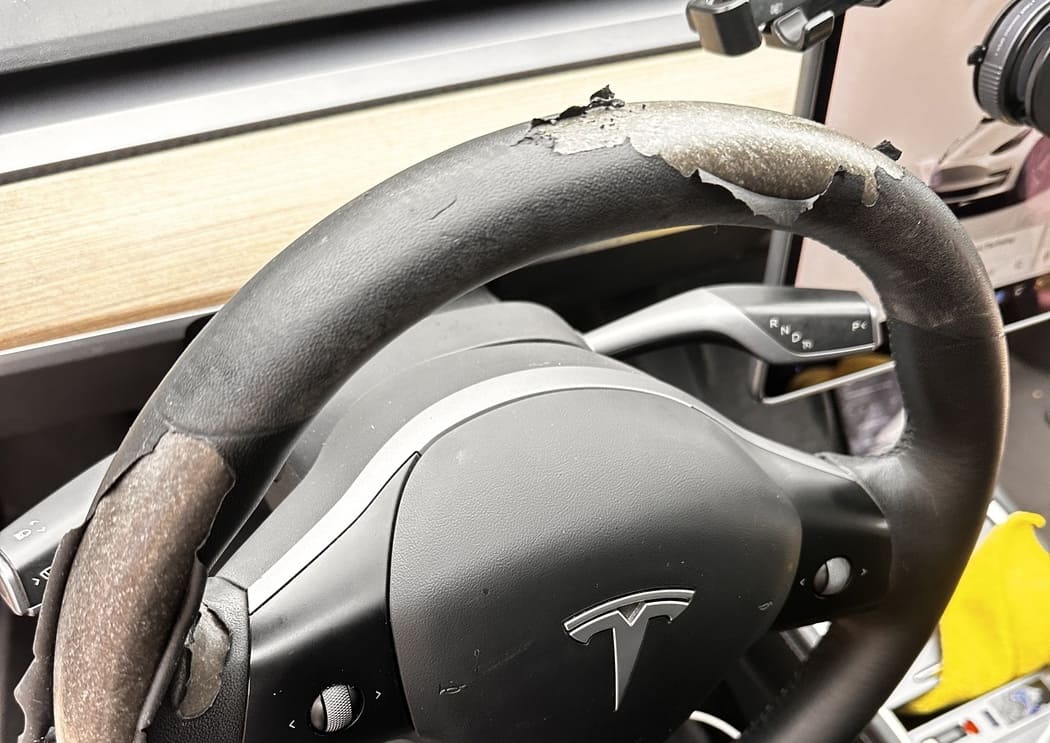
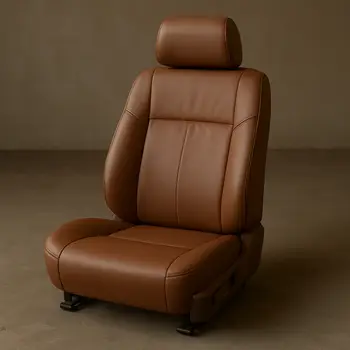
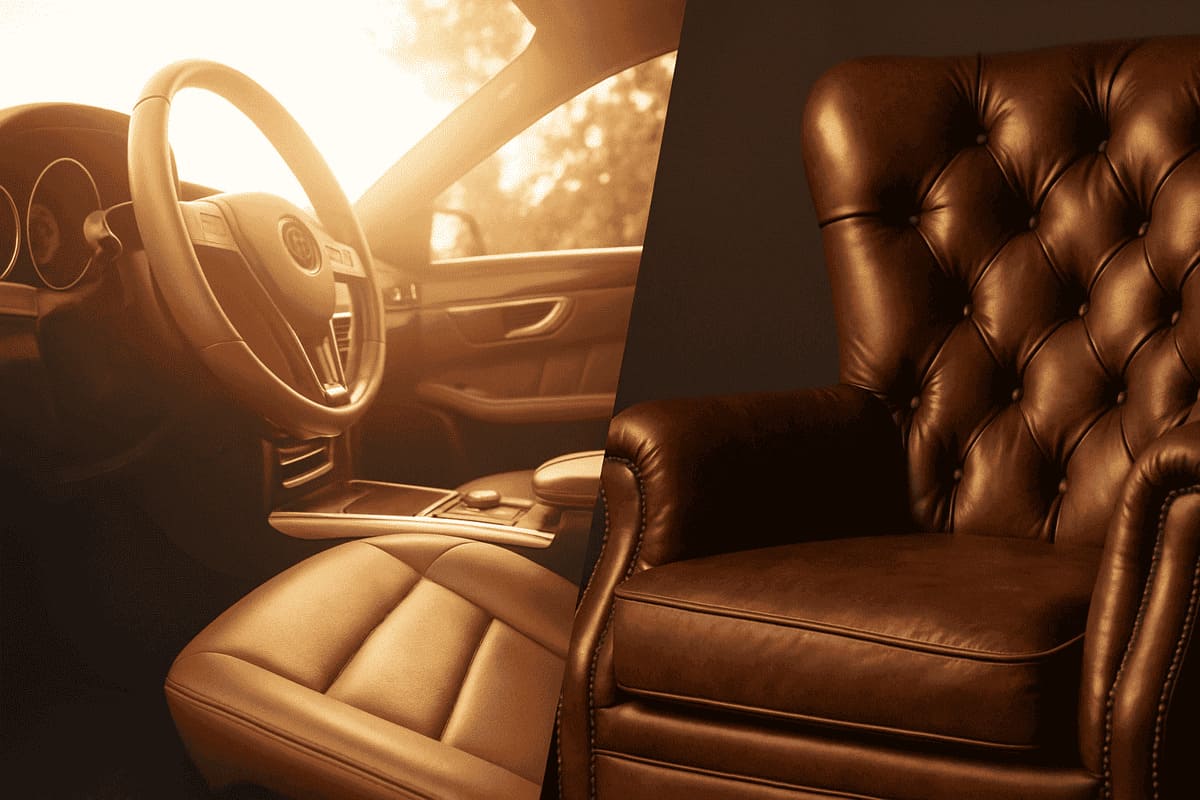
If a leather surface gets scratched, cracked, stained, or dried out, the damaged fibers remain broken. You might temporarily improve the appearance with oils or colorants, but the structural damage remains underneath. Over time, this weakens the material and reduces its lifespan significantly.
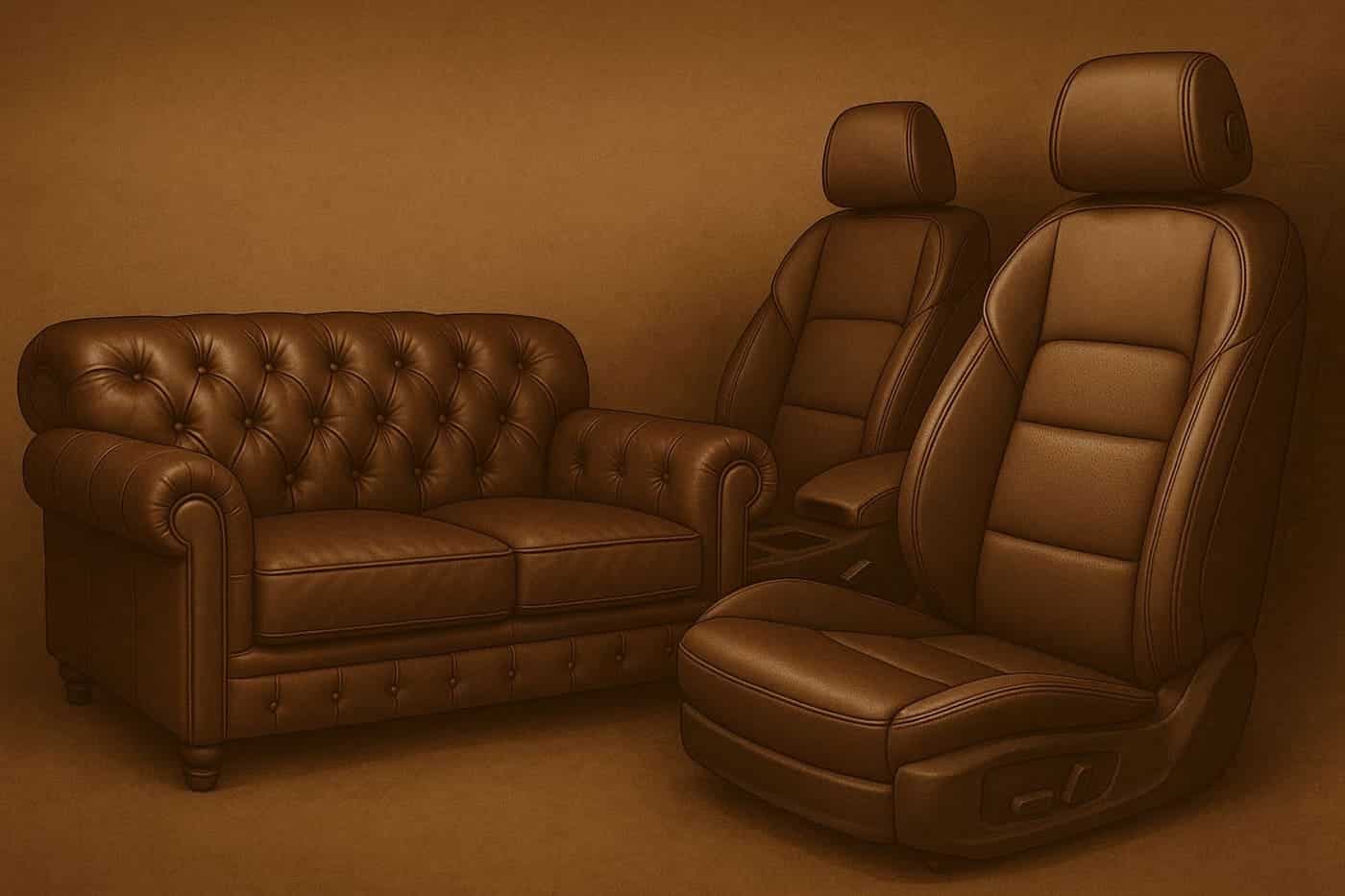
This is why professional leather restoration is not just about aesthetics — it’s about preserving the structural integrity of your investment, whether that’s a luxury leather sofa, premium car seats, or vintage furniture.
What Causes Leather Damage in the First Place?
Understanding how leather gets damaged helps you appreciate why it cannot simply “heal” on its own. Common causes of leather deterioration include:
Sun and Heat Exposure: UV rays dry out leather oils, causing it to fade, crack, and become brittle. This is especially common in leather car seat repair cases where vehicles are parked outdoors.
Lack of Moisture: Leather needs regular conditioning to maintain flexibility. Without it, the material dries out and develops cracks that cannot close on their own.
Body Oils and Sweat: Regular contact with skin transfers oils that break down leather’s protective finish, particularly on armrests and headrests.
Pet Damage: Scratches from claws penetrate deep into leather fibers, creating permanent marks that no amount of conditioning can fix.
Age and Normal Wear: Even with perfect care, leather naturally wears down over time through friction and use.
Each of these damage types requires specific professional leather repair techniques to restore the material properly.
The Dangers of DIY Leather Repair Kits
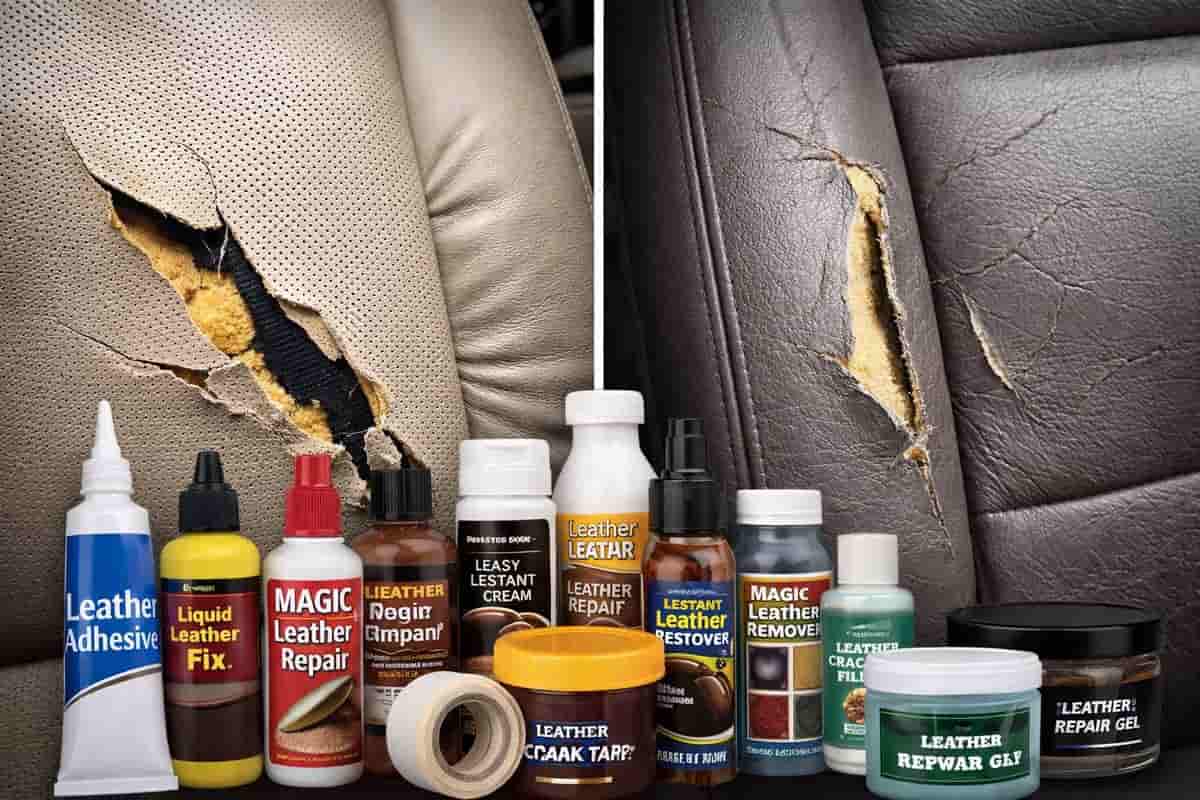
We understand the appeal of fixing things yourself. Many DIY leather repair kits promise easy fixes — just apply a dye, press with heat, and voilà! But reality is rarely that simple.
Here’s what can go wrong:
Color Mismatches: Store-bought repair kits don’t match your leather’s unique tone. What looks close in the store often appears drastically different once applied, leaving obvious patches on your leather sofa repair project.
Chemical Damage: Harsh dyes or glues can cause leather to stiffen or peel. Many products contain solvents that strip away natural oils, accelerating deterioration.
Over-Thinning: Sanding or scrubbing removes not only the topcoat but also essential layers, making the leather weaker. This is one of the most common mistakes we see in failed DIY leather repair attempts.
Texture Problems: Home repair attempts often create stiff, plastic-like patches that feel completely different from the surrounding leather.
Short-Term Results: Most DIY fixes last a few days or weeks, after which damage reappears — often worse than before. You end up spending more money repeatedly buying products that don’t work.
We’ve had countless customers come to us after attempting a DIY fix, only to find their leather couch or car seat in worse condition. And in some cases, by the time they contact a professional, restoration becomes nearly impossible without a full replacement.
Why Professional Leather Restoration Works
When you choose professional leather repair in San Diego, you’re not just paying for someone to apply products — you’re investing in expertise, proper materials, and proven techniques that deliver lasting results.
Expert Color Matching: Professional leather restoration specialists custom-mix dyes to achieve perfect color matches. We don’t rely on generic bottle colors; we create the exact shade your leather needs.
Proper Surface Preparation: Before any repair, we thoroughly clean and prepare the leather, removing contaminants that would prevent proper adhesion. This crucial step is often skipped in DIY attempts.
Structural Repair: For cracked or torn leather, we use professional-grade fillers and reinforcement techniques that actually restore structural integrity, not just cover up damage.
Protective Finishing: After repair and recoloring, we apply professional topcoats that protect against future damage and ensure your leather maintains its natural feel and flexibility.
Long-Lasting Results: Professional leather care tips include proper techniques that make repairs last years, not weeks.
How to Restore Damaged Leather: The Professional Process
Understanding the professional leather restoration process helps you appreciate why attempting to fix cracked leather at home rarely succeeds.
Assessment: We examine the type of leather, extent of damage, and underlying causes. Different leathers (aniline, semi-aniline, pigmented) require different approaches.
Deep Cleaning: Using professional pH-balanced cleaners, we remove dirt, oils, and old treatments that interfere with repairs.
Repair Work: Tears are reinforced with backing material, cracks are filled with flexible compounds, and scratches are buffed or filled depending on depth.
Color Restoration: Custom-mixed dyes are applied in thin, even layers to match the original color perfectly while maintaining leather’s breathability.
Conditioning and Protection: Professional conditioners restore moisture and flexibility, while topcoats provide protection against future damage.
Leather Care Tips to Prevent Future Damage
While leather cannot repair itself, proper maintenance significantly extends its life and prevents damage:
- Regular Cleaning: Wipe down leather surfaces monthly with appropriate cleaners to remove oils and dirt before they cause damage
- Conditioning Every 3-6 Months: Apply professional-grade leather conditioner to maintain moisture and flexibility
- UV Protection: Keep leather furniture away from direct sunlight and use UV-blocking window treatments
- Temperature Control: Avoid exposing leather to extreme heat or cold, which accelerates deterioration
- Immediate Spill Cleanup: Blot (don’t rub) spills immediately to prevent staining and moisture damage
- Professional Inspection: Have leather furniture and car seats professionally inspected annually
When to Call Professional Leather Repair Specialists
Certain signs indicate it’s time to contact professional leather repair services in San Diego:
- Visible cracks or tears larger than a hairline
- Fading or discoloration that cleaning cannot remove
- Peeling or flaking finish
- Stiffness or loss of flexibility
- Previous DIY repair attempts that failed
- High-value items like designer furniture or luxury car interiors
Early intervention by professionals prevents minor damage from becoming major problems that require complete replacement.
The Cost-Benefit of Professional vs. DIY Leather Repair
While DIY leather repair kits cost $15-50, they typically provide only temporary cosmetic improvement. Multiple failed attempts can easily exceed $100 while actually making damage worse.
Professional leather sofa repair or leather car seat repair typically costs a fraction of replacement while delivering results that last years. A quality leather couch can cost $2,000-10,000 to replace; professional restoration usually runs $200-800 depending on damage extent — a clear financial advantage.
Beyond cost, professional restoration preserves the original quality and feel of your leather, something DIY methods cannot achieve.
Trust San Diego’s Leather Restoration Experts
The answer to “can leather repair itself” is definitively no — but professional leather restoration can bring damaged leather back to life. With proper expertise, materials, and techniques, we’ve restored countless leather sofas, car seats, chairs, and other items that our clients thought were beyond saving.
Don’t risk making damage worse with DIY experiments. Contact our professional leather repair specialists in San Diego today to restore your leather investment properly, safely, and permanently. Your leather deserves expert care — and so do you.